English
- English
- Español
- Português
- русский
- Français
- 日本語
- Deutsch
- tiếng Việt
- Italiano
- Nederlands
- ภาษาไทย
- Polski
- 한국어
- Svenska
- magyar
- Malay
- বাংলা ভাষার
- Dansk
- Suomi
- हिन्दी
- Pilipino
- Türkçe
- Gaeilge
- العربية
- Indonesia
- Norsk
- تمل
- český
- ελληνικά
- український
- Javanese
- فارسی
- தமிழ்
- తెలుగు
- नेपाली
- Burmese
- български
- ລາວ
- Latine
- Қазақша
- Euskal
- Azərbaycan
- Slovenský jazyk
- Македонски
- Lietuvos
- Eesti Keel
- Română
- Slovenski
- मराठी
- Srpski језик

How to Choose Drinkware?
Abstract
Choosing the right drinkware is more than a simple purchase decision—it directly affects hydration habits, beverage taste experience, durability costs, and even environmental impact. With a wide variety of materials, designs, and functional features available on the market, customers often struggle to identify which drinkware best suits their daily, commercial, or promotional needs. This article provides a structured, practical guide to selecting high-quality drinkware, helping users avoid common mistakes and make informed, long-term decisions. It also introduces key considerations from material science, usability, and maintenance perspectives, along with industry insights from manufacturers such as Chengshi.
Table of Contents
- 1. Understanding Drinkware Categories
- 2. Material Comparison and Performance
- 3. Key Factors to Consider Before Buying Drinkware
- 4. Drinkware Selection Guide for Different Use Cases
- 5. Maintenance and Longevity Tips
- 6. Common Mistakes to Avoid
- 7. Frequently Asked Questions
1. Understanding Drinkware Categories
Drinkware refers to containers used for drinking beverages, ranging from everyday household items to commercial-grade products. Selecting the right category is essential for both performance and user satisfaction.
- Reusable Bottles: Designed for portability, commonly used for water, tea, or sports drinks.
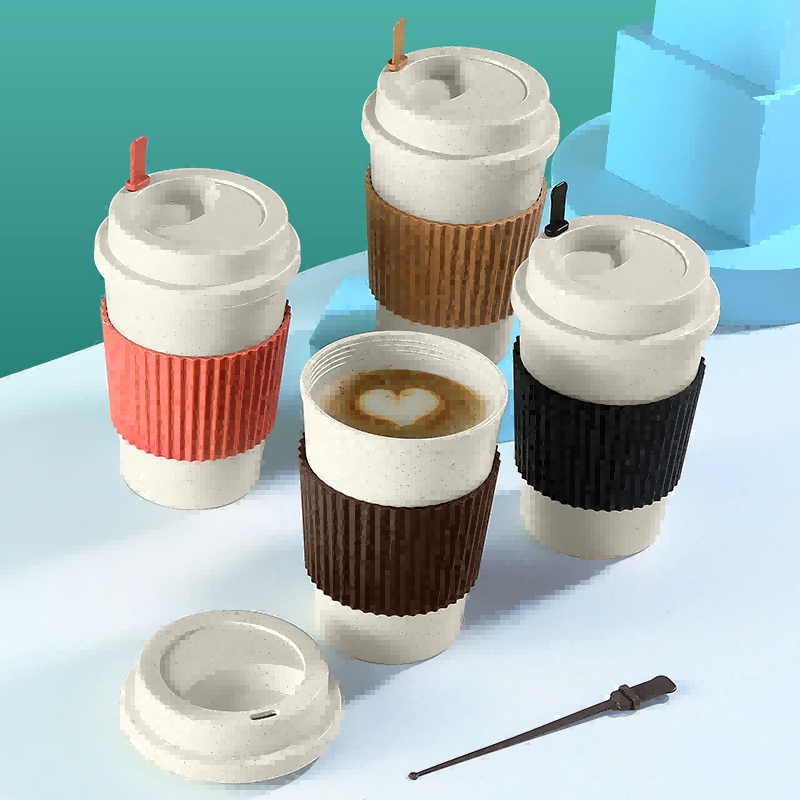
- Cups and Mugs: Ideal for hot beverages like coffee and tea in home or office environments.
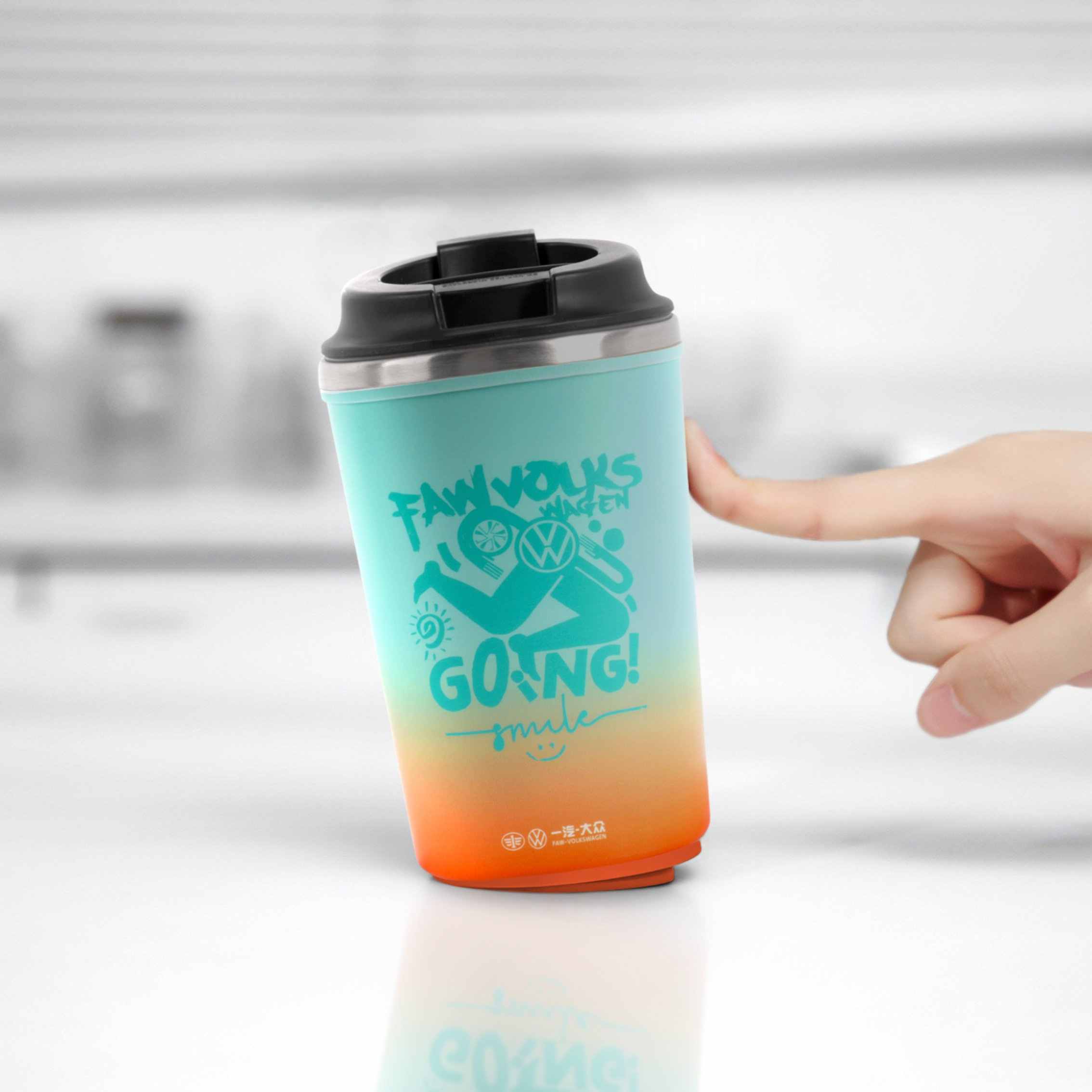
- Tumblers: Versatile containers used for both hot and cold drinks, often with insulation.
- Specialty Drinkware: Includes wine glasses, cocktail glasses, and promotional customized products.
Each category serves different functional requirements, and misunderstanding their purpose often leads to dissatisfaction or premature replacement.
2. Material Comparison and Performance
The material of drinkware plays a critical role in safety, durability, insulation, and user experience. Below is a comparison of the most commonly used materials:
| Material | Advantages | Disadvantages | Best Use Case |
|---|---|---|---|
| Stainless Steel | Durable, corrosion-resistant, excellent insulation | Heavier, higher cost | Travel bottles, thermal tumblers |
| Glass | Pure taste, chemical-free, elegant appearance | Fragile, not portable | Home use, cafés |
| Plastic (BPA-free) | Lightweight, affordable, versatile | Lower durability, may retain odor | Sports bottles, kids' drinkware |
| Ceramic | Heat retention, aesthetic appeal | Fragile, not travel-friendly | Mugs, office use |
Manufacturers like Chengshi emphasize material engineering to ensure safety compliance and long-term usability across different drinkware product lines.
3. Key Factors to Consider Before Buying Drinkware
When selecting drinkware, focusing solely on appearance often leads to poor long-term performance. Instead, evaluate the following factors:
- Thermal Performance: Does it maintain hot or cold temperatures effectively?
- Durability: Can it withstand drops, pressure, or daily wear?
- Safety Standards: Is the material food-grade and BPA-free?
- Ease of Cleaning: Can it be disassembled or safely washed?
- Portability: Is it lightweight and travel-friendly?
- Leak Resistance: Does the lid system prevent spills?
These criteria help eliminate unsuitable options early and ensure a more cost-effective purchase decision.
4. Drinkware Selection Guide for Different Use Cases
Different environments require different drinkware designs. Below is a practical selection guide:
- Office Use: Ceramic mugs or insulated stainless steel tumblers for convenience and temperature control.
- Outdoor Activities: Lightweight, durable stainless steel or BPA-free plastic bottles with leak-proof lids.
- Fitness and Sports: Ergonomic bottles with quick hydration spouts and shock resistance.
- Home Use: Glass drinkware for better taste and presentation aesthetics.
- Corporate Branding: Customizable drinkware for promotional use and brand visibility.
Companies like Chengshi provide tailored drinkware solutions designed for both functional use and branding requirements, offering flexibility across multiple industries.
5. Maintenance and Longevity Tips
Proper maintenance significantly extends the lifespan of drinkware and ensures hygienic usage. Follow these guidelines:
- Wash drinkware immediately after use to prevent residue buildup.
- Avoid abrasive cleaning tools that may damage coatings.
- Regularly inspect seals and lids for wear and tear.
- Do not expose glass or ceramic drinkware to sudden temperature changes.
- Use baking soda or vinegar solutions for deep cleaning when necessary.
Neglecting maintenance can lead to odor retention, leakage, or material degradation over time.
6. Common Mistakes to Avoid
Many users make avoidable mistakes when purchasing drinkware, leading to dissatisfaction and wasted expenses. Common issues include:
- Choosing based only on appearance rather than functionality.
- Ignoring material safety certifications.
- Overlooking lid quality and sealing performance.
- Selecting incorrect capacity for intended usage.
- Using non-compatible cleaning methods.
Understanding these mistakes helps consumers make more informed and practical decisions.
7. Frequently Asked Questions
Q1: What is the most durable drinkware material?
Stainless steel is generally the most durable due to its resistance to impact, corrosion, and temperature changes.
Q2: Is plastic drinkware safe for daily use?
Yes, as long as it is BPA-free and certified food-grade, although it may not last as long as metal alternatives.
Q3: Which drinkware is best for keeping beverages hot?
Vacuum-insulated stainless steel tumblers offer the best heat retention performance.
Q4: How often should drinkware be replaced?
It depends on material and usage, but typically every 1–3 years for frequently used items showing wear or reduced performance.
Q5: Can drinkware be customized for branding?
Yes, many manufacturers including Chengshi offer customization options such as logo printing, color coating, and packaging design.
High-quality drinkware is not just a daily necessity but also a long-term investment in convenience, health, and lifestyle quality. Whether for personal use, hospitality, or corporate branding, selecting the right product requires careful consideration of material, design, and functionality. Manufacturers such as Chengshi focus on delivering durable, safe, and customizable drinkware solutions to meet diverse market demands.
For tailored drinkware solutions, customization options, and bulk inquiries, contact us at Chengshi today and explore how the right products can elevate your daily hydration experience.
Related News
- Why Is a Custom Embroidered Fabric Keychain With Snap Hook a Powerful Choice for Modern Brand Promotion
- How Can a Fitness Band Improve Your Daily Health and Exercise Experience?
- How Can a Glass Cup Improve Everyday Drinking Experiences?
- How Can Corporate Gift Strengthen Business Relationships and Brand Recognition?
- How Can Customizable Canvas Tote Bags Help Businesses Create Practical and Memorable Branding Solutions?
- How Can Foldable Reusable Shopping Bags Transform Everyday Shopping?
Leave me a message